0.5% Rent Forecast Ranks Houston Last Among 50 Markets
RealPage expects Houston rents to start rising again, but more slowly than in any of the 50 largest U.S. apartment markets, and Class C rents are still down 5.4% from a year ago.
By Price Per Door Staff5 min read
PricingHouston

The number
-5.4%
Houston Class C rents year over year in 3Q 2026
By the numbers
- 0.5%: RealPage's projected Houston effective rent growth from 4Q 2026 through 3Q 2027, the lowest of the 50 largest markets it forecasts, against about 2.4% nationally.
- -5.4%: Houston Class C rents year over year in 3Q 2026, compared with -1.9% for Class B and +1% for Class A, according to RealPage.
- 25%: multifamily's average share of all Houston-area residential permitting, which RealPage cites as a reason single-family homes keep drawing renters away.
- 13,000 to 13,500 units: RealPage's expected Houston apartment deliveries over the next four quarters, while Northmarq's preliminary forecast for calendar 2027 is about 5,600.
RealPage expects Houston apartment rents to grow 0.5% from the fourth quarter of 2026 through the third quarter of 2027, according to its third-quarter forecast published October 12. That is the lowest figure among the 50 largest markets the firm covers. San Antonio, at 0.8%, is the only other one below 1%. Nationally, RealPage projects about 2.4%.
In April, RealPage forecast a 1.5% rent cut for Houston in 2026, and its July update still called for a slight decline. Over six months, then, the Houston outlook has gone from a cut to a small gain, and no top-50 market is projected to post falling rents in the new numbers. For owners, that means rents should stop sliding but won't rise enough to do much for NOI.
Why Houston keeps missing the forecast
On October 13, RealPage chief economist Carl Whitaker called Houston the firm's biggest forecasting miss of the past two years. Houston rents did not grow at all in the third quarter, and he puts the year-over-year decline at about 2%, close to the COVID-era low. His main explanation is the single-family market, which he says is pulling would-be renters away from apartments faster than usual.
Newsletter
Houston multifamily in 5 minutes or less
What we’re seeing on the ground in Houston: operations, market moves and the deals changing hands. Every week.
Multifamily makes up only about 25% of Houston-area residential permitting on average. Whitaker counts seven markets with a heavier tilt toward single-family, among them Las Vegas and Indianapolis. He adds that immigration reform and swings in the energy sector have made demand less steady over the past year or two.
Listings from the Houston Association of Realtors fit his explanation: 38,947 active single-family listings in August, a 5.3-month supply. Single-family leases rose 4.7% from a year earlier to 4,805, according to HAR's August rental update, and the average lease price stayed near $2,412, about where it was a year ago. Renters who can lease a whole house at last year's price give apartment owners a reason to keep offering concessions and to go easy on renewal increases, even in buildings that are nearly full.
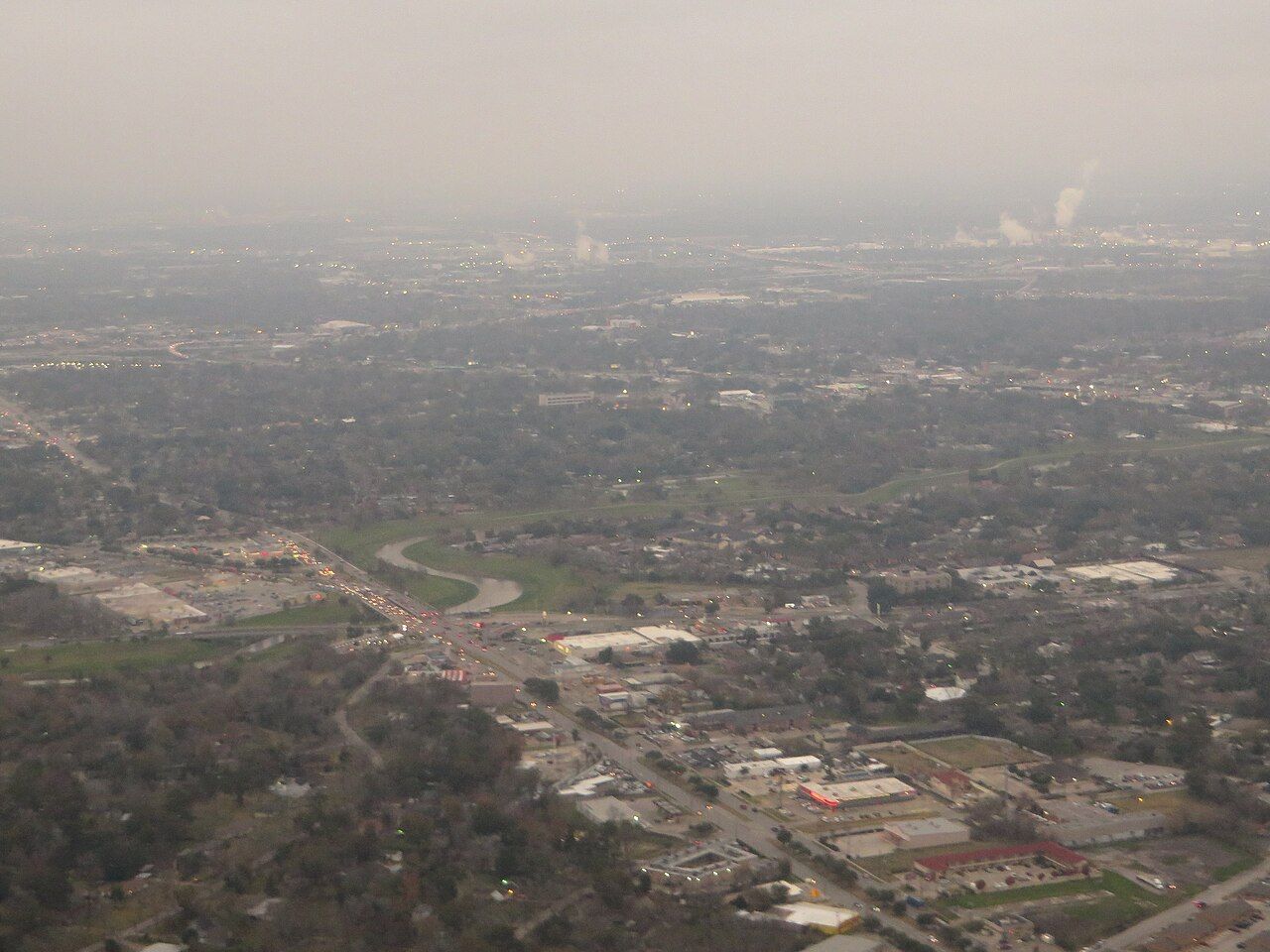
Class C rents are falling fastest
RealPage reports Class A rents up 1% year over year in the third quarter, the first annual gain for that class in four quarters. Class B rents fell 1.9% and Class C rents fell 5.4%, which Whitaker says points to deeper problems in those two classes.
Northmarq's second-quarter report shows a similar split. Class A vacancy fell 50 basis points in the second quarter to 8.1%, its first year-over-year decline since early 2023, while Northmarq described Class B and Class C rents as largely stagnant even as occupancy improved.
Headline rent numbers depend on the method. Northmarq had asking rents up 1.0% annually at midyear, while Cushman & Wakefield had average effective rent down 2.3% to $1,312 and CBRE had Houston down 2.7% in the second quarter. Effective rents account for concessions and asking rents don't, which is part of why the effective numbers look worse.
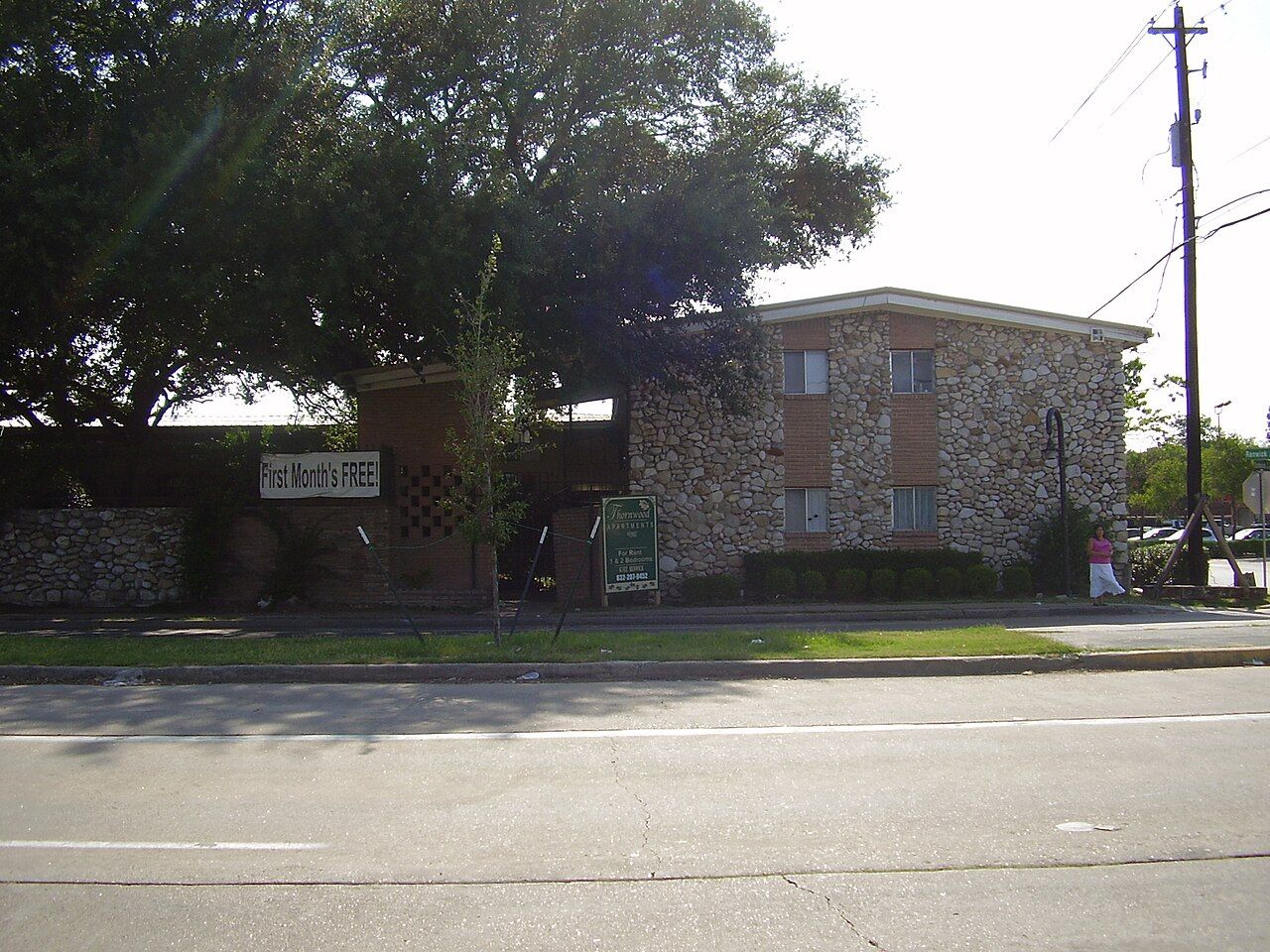
Supply forecasts disagree
RealPage expects about 13,000 to 13,500 Houston deliveries over the next four quarters, roughly the same as Phoenix and Charlotte and fewer than Dallas, at just over 20,000. Northmarq expects about 13,000 completions in 2026 and a preliminary 5,600 in 2027, which would be Houston's lowest annual total in nearly 15 years.
Part of the gap is timing, since RealPage's window includes the fourth quarter of 2026. Even so, the two outlooks are far apart. Counts of units under construction range from 11,756 at Cushman & Wakefield to 26,447 at Yardi Matrix, because each firm tracks a different set of properties. Anyone underwriting a sharp drop in 2027 supply should check whose count the assumption came from.
What it means for owners and investors
A business plan that assumes 2% annual rent growth is assuming four times what RealPage expects for Houston over the next year. Costs are moving the other way: Bisnow, citing Harvard's Joint Center for Housing Studies, reports operating costs rose nearly 37% from 2019 to 2026, from $6,950 to $9,510 per unit. When expenses grow faster than rents, margins shrink even at steady occupancy, and lower NOI means a lower value at sale or refinancing.
The Federal Reserve raised its target range to 3.75% to 4% on September 16, and the 10-year Treasury yield was 5.21% on October 13. Houston cap rates average about 6.0% according to Northmarq and 6.28% according to Matthews, which leaves a thin spread over Treasuries. With little help coming from financing or from rent growth, returns depend on the purchase price and on how well the property is run.
Buyers are still closing deals. A venture of Spirit Investment Partners and Strategic Value Partners bought the 573-unit Resia Ten Oaks, a 2024 property in West Houston, with Oaktree financing. American Landmark bought the 292-unit Toscana Parkway, built in 2009, its 14th Houston-area property. Given RealPage's numbers by class, newer buildings look like the safer purchase, and a Class C value-add deal needs a price low enough to work while rents are still falling.
What to watch next
The Texas Workforce Commission is scheduled to release September jobs data on October 16, which will show whether Houston is adding enough jobs to fill the units RealPage expects. RealPage also notes that the Fed's median projection implies one more rate increase this year, which would raise costs on floating-rate loans and refinancings.
Third-quarter reports from Cushman & Wakefield, Northmarq and other brokerages should show whether Class A's 1% gain is reaching Class B. Watch concessions as well. If they shrink and effective rents move toward asking rents, 0.5% could prove too low, and if single-family listings keep rising, it could prove too high.
Sources
Written by Price Per Door from public reports, filings and data. See all sources.